



AI and Water Justice
Will artificial intelligence uphold the human right to water?
Dursun Yıldız
President, Hydropolitics Association
October 18 2026
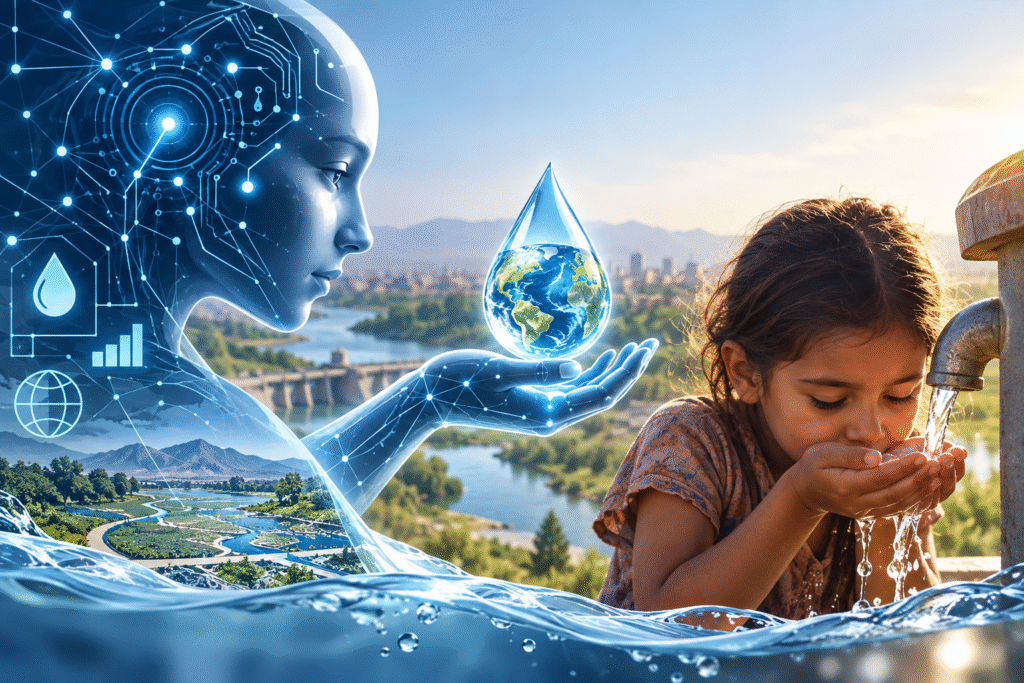
Water is an indispensable human right, essential for life and without substitute. Yet millions worldwide still lack access to clean water due to socioeconomic inequalities, climate change, and rapid urbanization. Integrating artificial intelligence (AI) into water management can improve the efficiency and effectiveness of distribution systems. However, it also raises important ethical concerns, especially regarding equitable access and the protection of human rights. A social state approach to water management prioritizes the needs of poor, vulnerable, and disadvantaged communities.
In contrast, AI-driven water management may unintentionally prioritize certain areas and worsen existing inequalities in water security. The United Nations General Assembly has explicitly recognized the “right to water and sanitation” as a fundamental human right. This recognition should guide the ethical frameworks for AI use in water management.
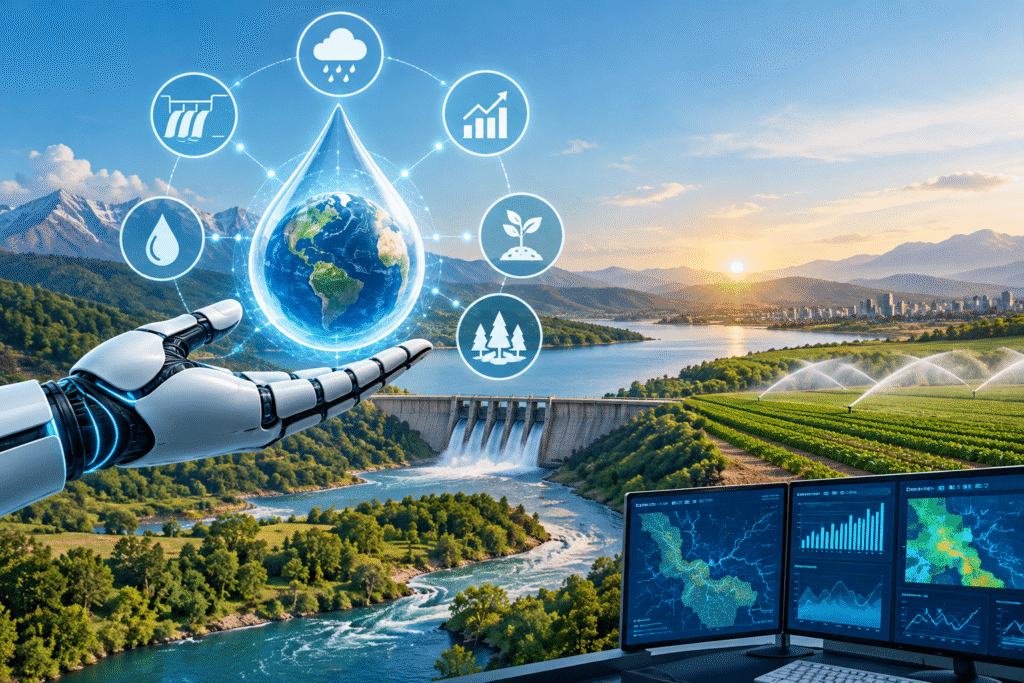
Globally, especially in large cities experiencing rapid, unplanned growth, water justice issues and unequal access to safe, sufficient water are increasing. Reports from the World Health Organization and the United Nations indicate that over two billion people lack access to safely managed drinking water. Artificial intelligence technologies such as predictive analytics, smart metering, and real-time monitoring can optimize water resource management and improve access and distribution.
The issue of class-based inequality
However, inequality in access to water is not only a geographical or technical issue; it is also a matter of class-based inequality. Water poverty should be defined not only as a lack of sufficient water, but also as the inability to access safe water due to income, location, or inadequate infrastructure.
During climate change and drought, these inequalities become more pronounced. While water scarcity affects all, the burden is not shared equally across society. Therefore, water justice requires treating water as a fundamental human right and a social policy issue, not just an economic resource.
To achieve water justice in megacities, water must be recognized as a basic urban service and a human right that everyone can access equally. In large cities, the challenge is often not only physical scarcity, but also disparities in access, quality, reliability, and cost.
Disadvantaged communities often face digital divides that limit their ability to benefit from artificial intelligence, perpetuating cycles of deprivation. To prevent these inequalities from becoming entrenched, ethical considerations must guide the implementation of digital technologies.
The ethical dimension of utilizing artificial intelligence
The data-driven nature of artificial intelligence (AI) raises concerns about privacy and data security. When collecting and using large volumes of data for water management, ensure transparency, consent, and protection against misuse. The EU AI Act provides a regulatory framework to address these risks.
The ethical use of AI in water management must go beyond efficiency. To protect the water right, AI applications should be guided by inclusivity, transparency, and accountability. This involves considering diverse community needs, addressing potential algorithmic biases, and ensuring meaningful stakeholder participation in decision-making.
Artificial intelligence does not inherently account for the right to water or water justice.
While AI can improve efficiency, transparency, and equity in water management, it does not inherently address the right to water or water justice. Achieving these goals depends on data quality, algorithm design, and policy decisions. If AI systems focus only on economic efficiency, they may worsen inequalities for low-income, rural, and vulnerable groups. Therefore, AI in water management must be grounded in the Right to Water, uphold justice and equity, ensure transparency, public oversight, and accountability, and protect disadvantaged groups in water allocation.
“The Right to Water is a fundamental human right, whereas Water Rights refer to legally recognized entitlements to use, abstract, or benefit from water resources.” The most significant implication of this distinction for water policy is as follows:
Water rights must be regulated with due regard for the “right to water.” In other words, the fact that water has been legally allocated does not necessarily mean that such an allocation is socially equitable under all circumstances. An artificial intelligence-driven water allocation system might technically optimize the existing water-rights framework; however, we cannot assume this optimization will automatically safeguard the principle of the “right to water.”
In conclusion, while artificial intelligence can make water management smarter, people, the social state, and public policy are responsible for making it fairer. The success of AI in water management should be measured not only by water savings, but also by its impact on reducing inequities in access.